When it comes to managing waste for your business, one of the biggest decisions you’ll make is choosing between a dumpster or a compactor. It might seem like a simple choice at first, but when you start looking at costs, efficiency, and long-term impact, it becomes clear that picking the right solution can save your business thousands of dollars and a lot of headaches.
If you’re in Albuquerque and trying to decide between a dumpster rental vs compactor, you’re in the right place. This guide will break everything down in plain English so you can confidently choose the best waste management solution for your business.
Understanding the Basics: Dumpster vs Compactor
Before we get into comparisons, let’s start with the basics.
What Is a Dumpster Rental?
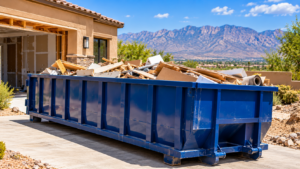
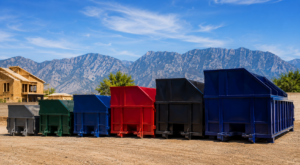
A dumpster rental—especially a roll off dumpster is a large open container that gets delivered to your location, filled with waste, and then hauled away once it’s full.
These are commonly used for:
- Construction projects
- Remodels
- Cleanouts
- Short-term waste needs
Think of dumpsters as flexible and temporary.
What Is a Compactor?
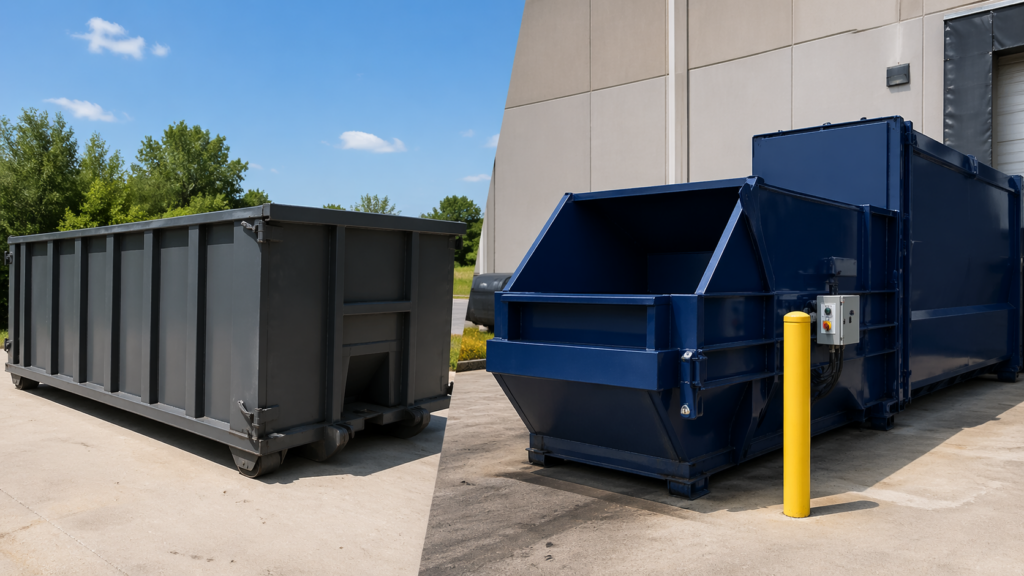
A compactor is a piece of equipment that compresses waste, allowing you to fit significantly more trash into a smaller space.
There are two main types:
- Self-contained compactors (for wet waste like food)
- Stationary compactors (for dry waste like cardboard)
Compactors are typically used for:
- Restaurants
- Retail stores
- Apartment complexes
- Manufacturing facilities
Think of compactors as a long-term waste solution designed for efficiency.
Dumpster vs Compactor: Key Differences
Now let’s break down the waste management equipment comparison so you can see how these options stack up.
1. Volume and Capacity
One of the biggest differences in a dumpster vs compactor comparison is how much waste each can handle.
- A standard dumpster fills up quickly
- A compactor compresses waste, allowing you to fit 3–5x more material in the same space
👉 If your business produces a lot of trash daily, a compactor is usually the better option.
2. Pickup Frequency
With dumpsters:
- More waste = more pickups
- More pickups = higher hauling costs
With compactors:
- Waste is compressed
- Pickups happen less often
👉 This is why many businesses switch to compactors—they drastically reduce pickup frequency.
3. Cost Comparison: Dumpster vs Compactor
Let’s talk about what matters most—cost.
Dumpster Costs:
- Lower upfront cost
- Pay per haul
- Costs increase with frequent pickups
Compactor Costs:
- Higher upfront investment (or lease)
- Lower long-term hauling costs
- Better ROI for high-volume businesses
👉 In most commercial dumpster vs compactor scenarios, compactors win long-term if waste volume is high.
4. Space Requirements
Dumpster:
- Takes up space
- Open design can look messy
Compactor:
- More compact (ironically)
- Cleaner, more controlled appearance
👉 If appearance and space efficiency matter, compactors are a clear winner.
5. Cleanliness and Safety
Dumpsters can:
- Overflow
- Attract pests
- Create odor issues
Compactors:
- Contain waste
- Reduce odors
- Improve sanitation
👉 For food-related businesses in Albuquerque, compactors are often essential.
When to Use a Dumpster
Let’s answer one of the most common questions: when is a dumpster the better option?
Best Use Cases for Dumpster Rentals
1. Temporary Projects
If your waste needs are short-term, dumpsters make the most sense.
Examples:
- Construction jobs
- Renovations
- Large cleanouts
2. Low to Moderate Waste Volume
If your business doesn’t produce a lot of waste, a dumpster is simple and cost-effective.
3. Flexible Needs
Dumpsters are easy to scale up or down depending on your project.
When to Use a Compactor
Now let’s look at when to use a compactor.
Best Use Cases for Compactors
1. High-Volume Waste
If your business generates daily waste, compactors will save you money over time.
2. Recurring Waste Needs
Restaurants, retail stores, and apartment complexes produce consistent waste—perfect for compactors.
3. Reducing Hauling Costs
Because compactors reduce pickups, they significantly lower transportation costs.
4. Cleaner Operations
If cleanliness and compliance matter, compactors help maintain a professional environment.
Roll Off Dumpster vs Compactor: Which Is Better?
The roll off dumpster vs compactor comparison comes down to one key factor:
👉 Are your waste needs temporary or ongoing?
| Scenario | Best Option |
|---|---|
| Construction project | Dumpster |
| Retail store | Compactor |
| Restaurant | Compactor |
| Home remodel | Dumpster |
| Warehouse | Compactor |
Industries That Benefit from Compactors
Some businesses benefit more than others from compactors.
Common Industries Using Compactors:
- Restaurants
- Grocery stores
- Retail chains
- Hotels
- Apartment complexes
- Manufacturing plants
If your business produces waste daily, a compactor is usually the smarter investment.
Real Example: Albuquerque Business Scenario
Let’s make this practical.
Scenario 1: Small Office
- Low waste output
- Occasional disposal
👉 Best choice: Dumpster
Scenario 2: Restaurant
- Daily food waste
- Odor concerns
- Frequent trash removal
👉 Best choice: Compactor
Scenario 3: Construction Company
- Temporary debris
- High volume, short term
👉 Best choice: Roll-off dumpster
Signs It’s Time to Switch from a Dumpster to a Compactor
Here are some clear indicators:
- You’re scheduling pickups multiple times per week
- Your dumpster is always full
- Waste is overflowing
- You’re paying too much for hauling
- You need a cleaner setup
👉 If you checked even 2–3 of these, it might be time to upgrade.
How to Decide: Dumpster vs Compactor for Your Business
Ask yourself these questions:
- How much waste do we produce weekly?
- How often do we need pickups?
- Are we dealing with odors or overflow?
- Do we want to reduce long-term costs?
- Is this temporary or permanent?
👉 Your answers will point you toward the right solution.
Why This Decision Matters
Choosing between a dumpster vs compactor isn’t just about waste—it affects:
- Your operating costs
- Your workflow efficiency
- Your business appearance
- Environmental impact
Making the right decision now can improve your operations for years.
Final Thoughts: Dumpster Rental vs Compactor
At the end of the day, there’s no one-size-fits-all answer.
- Dumpsters are best for temporary, flexible needs
- Compactors are best for long-term, high-volume waste
If you’re still unsure, the best move is to talk to a local expert who understands Albuquerque’s waste needs and regulations.
Need Help in Albuquerque, NM?
Not sure whether you need a dumpster or compactor? The team at Jackson Compaction can help you choose the right solution for your business.
Call 505-345-3900 today to get expert guidance and a custom quote tailored to your waste management needs.